


Institutional construction is different from private residential work. A home is built for a family. An institutional building is built for many people. Students, patients, staff, visitors, administrators, service teams, and maintenance teams may use the same property every day. The structure must therefore be planned for movement, durability, safety, services, access, and long-term maintenance.
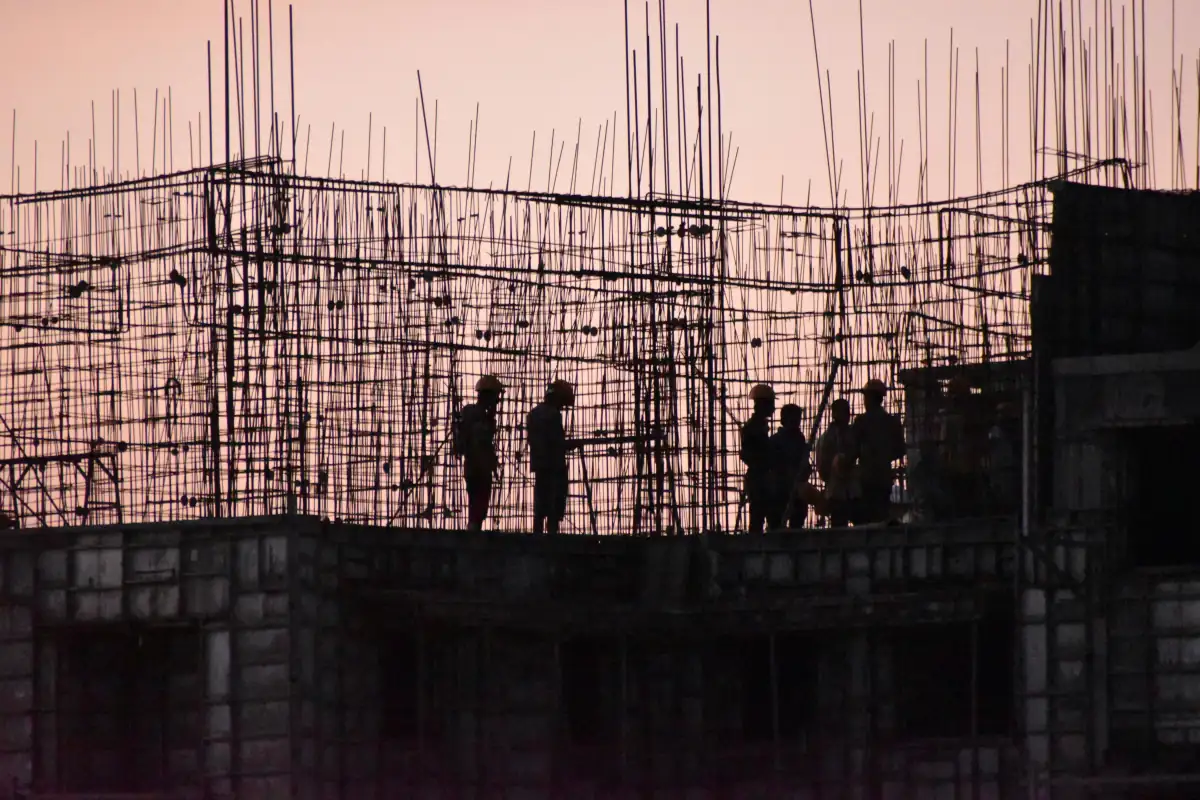
Institutional construction is different from private residential work.
A home is built for a family. An institutional building is built for many people. Students, patients, staff, visitors, administrators, service teams, and maintenance teams may use the same property every day. The structure must therefore be planned for movement, durability, safety, services, access, and long-term maintenance.
A college building, hospital compound wall, sports complex, campus facility, RCC lift structure, football ground, water tank, or drainage system may look like a civil construction project from outside. But for the institution, it is part of daily operations.
That is why choosing the right builder matters.
A reliable institutional construction company should understand not only how to build, but also how the completed work will function after handover.
This guide explains what colleges, hospitals, campuses, and institutional clients in Kolhapur and Panhala should expect from a construction company before starting work.
Institutional construction begins with purpose
Every institutional project should begin with a clear understanding of purpose.
A college building is not planned like a private bungalow. A hospital-related structure is not planned like a farmhouse. A sports complex is not planned like a commercial shop. A compound wall for a campus is not only a boundary; it may affect security, movement, drainage, and future development.
Before execution begins, the builder should understand what the institution needs the project to do.
Important questions include:
- Who will use the building or site every day?
- How many people will move through the space?
- Is the work connected to an active campus?
- Will construction happen while students, patients, or staff are nearby?
- Is the project new construction, expansion, repair, or external development?
- What are the safety concerns?
- Are there fixed academic, hospital, or administrative timelines?
- Will the structure need future expansion?
- How will water, electricity, drainage, and maintenance be handled?
Institutional construction should begin with use, not only measurement.
A builder must understand the institution’s operating environment before planning the construction sequence.
Why institutional projects need stronger planning
Institutional projects involve more people and more dependencies than many private projects.
A residential client may be one family. An institutional client may involve trustees, administrators, engineers, architects, department heads, finance teams, campus managers, safety officers, and maintenance staff.
This makes planning essential.
A construction company should be able to coordinate:
- Site assessment
- Drawing review
- Structural drawing understanding
- Budget discussion
- BOQ and measurement clarity
- Material planning
- Labour planning
- Safety arrangements
- Work sequencing
- Campus access
- Storage area
- Machine movement
- Quality checks
- Progress reporting
- Final handover
Institutional projects often work within fixed timelines. A college may need work completed before an academic term. A hospital may need a compound wall or service structure without disturbing patient movement. A sports facility may need ground development before an event or seasonal use.
When planning is weak, delays affect more than the contractor. They affect the institution’s daily function.
Site assessment should study both land and activity
A site assessment for institutional work should not only check the land.
It should also check the activity around the land.
In an active campus, construction may happen near classrooms, hostels, hospital areas, offices, roads, parking zones, playgrounds, or public movement areas. The builder must understand how construction work can be carried out without creating unnecessary disturbance.
A proper institutional site assessment should check:
- Site access
- Road width
- Entry and exit points
- Material unloading area
- Student or visitor movement
- Existing buildings nearby
- Boundary conditions
- Ground level
- Drainage direction
- Water and electricity availability
- Machine access
- Safety barricading needs
- Noise-sensitive areas
- Working-hour limitations
- Temporary storage space
- Emergency access routes
- Existing underground services, where known
For institutional construction in Kolhapur and nearby areas, external site conditions also matter. Monsoon drainage, campus levels, compound walls, and road access can affect long-term usability.
The site should be studied as a live environment, not just an empty plot.
Drawings and technical coordination must be respected
Institutional buildings require proper drawing coordination.
Architectural drawings may define layout, movement, classrooms, wards, offices, corridors, toilets, stairs, open areas, and future expansion. Structural drawings define the foundation, columns, beams, slabs, steel details, and RCC requirements. Service planning may include electrical, plumbing, fire safety, drainage, data, water storage, and mechanical requirements.
A builder should not treat drawings as optional.
Before starting work, the construction company should coordinate with:
- Institutional decision-makers
- Architect
- Structural engineer
- Site engineer
- Civil contractor team
- Electrical team
- Plumbing team
- Safety or facility team
- Material suppliers
- External development teams
Drawing-related confusion can create expensive rework.
For example, if a toilet block is built before plumbing coordination, later changes can damage completed work. If corridor width, staircase planning, or service ducts are not considered early, the building may not function properly. If RCC openings are missed, service routing becomes difficult. If drainage is planned late, external development can become inefficient.
A serious builder studies drawings before execution and raises practical questions early.
RCC quality is central to institutional durability
Institutional buildings are high-use structures.
They may face daily movement, heavier occupancy, equipment loads, public use, and long service life expectations. For this reason, RCC quality must be treated seriously.
RCC work includes foundations, columns, beams, slabs, staircases, lift-related structures, water tanks, retaining elements, and other structural components.
Important RCC checks include:
- Correct steel placement
- Steel size and spacing as per drawing
- Shuttering quality
- Column alignment
- Beam depth
- Slab levels
- Concrete quality
- Concrete compaction
- Curing
- Engineer inspection
- Safe work practices during slab casting
- Proper removal of shuttering
- Protection during further work
Institutional clients should expect the contractor to maintain discipline during RCC work.
A building may look complete after finishing, but its long-term reliability depends heavily on the structural work hidden inside.
For colleges, hospitals, and campuses, structural shortcuts should not be accepted.
Safety planning must be visible on site
Safety is important in every construction project, but it becomes more sensitive in institutional work.
Construction may happen near students, patients, staff, visitors, or daily campus operations. The site cannot be treated casually.
The builder should plan for:
- Site barricading
- Controlled material movement
- Safe machine operation
- Worker safety
- Restricted entry zones
- Safe scaffolding
- Excavation safety
- Height-work safety
- Electrical tool safety
- Clear debris management
- Safe storage of steel, cement, sand, and aggregates
- Protection of existing campus areas
- Communication with campus management
- Emergency access awareness
If the institution remains active during construction, safety coordination becomes even more important.
A responsible builder should reduce risk not only for workers, but also for the people using the surrounding campus.
Institutional projects need clear budgeting and BOQ discipline
Institutional construction often requires financial approval and accountability.
That means the estimate should be clear, measurable, and explainable.
A simple verbal quotation is rarely enough for institutional work. The project should ideally be supported by a detailed estimate or BOQ, depending on the size and nature of the work.
A BOQ can help clarify:
- Excavation
- Foundation
- RCC work
- Brickwork or blockwork
- Plastering
- Waterproofing
- Flooring
- Painting
- Doors and windows
- Electrical and plumbing coordination
- Compound wall
- Water tank
- Drainage and gutter work
- Paver blocks
- Ground development
- External site work
- Demolition or repair work
- Post-construction cleaning
A clear estimate helps the institution compare scope, control cost, manage approvals, and track progress.
It also reduces disputes during billing.
Institutional clients should expect transparency in measurement, material scope, execution stages, and payment milestones.
Work sequencing should protect institutional operations
Institutional construction should not be planned only from the contractor’s convenience.
It should be planned around the institution’s operation.
A college may have examination periods. A hospital may have sensitive patient zones. A sports complex may have fixed event schedules. A campus may need access roads to remain open. A hostel or academic building may need controlled noise and dust during certain hours.
Work sequencing should consider:
- Academic calendar
- Hospital operating requirements
- Visitor movement
- Staff movement
- Service access
- Material delivery timing
- Machine work timing
- Noise-sensitive periods
- Examination or event schedules
- Rainy season planning
- Safety barriers
- Temporary access routes
- Phased handover, where needed
A builder who understands institutional work will plan in phases when required.
The goal is not only to complete construction. The goal is to complete construction without unnecessary disturbance to the institution’s functioning.
Drainage and external development are not secondary
Many institutional sites depend heavily on external development.
A college campus, hospital property, or sports facility needs more than buildings. It needs access, boundaries, drainage, road surfaces, water management, and safe movement.
External development may include:
- Compound walls
- RCC gutters
- Drainage lines
- Water tanks
- Internal roads
- Paver blocks
- Parking areas
- Sports ground development
- Boundary gates
- Site levelling
- Stormwater movement
- External lighting
- Retaining or support work
- Post-construction cleaning
JVS Enterprises has worked on projects such as compound wall work, football ground development with RCC gutter, water tank construction, sports complex work, and institutional building-related construction. These types of works are important because they directly affect how a campus functions.
A poorly drained campus can face waterlogging. A weak compound wall can affect security. A badly planned ground can become unusable during rain. A water tank built without proper access can create maintenance problems.
Institutional construction should include the full site, not only the main structure.
Hospital-related construction requires extra sensitivity
Hospital-related construction requires special care.
Even if the project is not a full hospital building, work near healthcare facilities should be planned carefully because patients, doctors, staff, ambulances, visitors, and service teams may be moving around the site.
A construction company working on hospital-related structures should consider:
- Access control
- Ambulance or emergency movement
- Noise-sensitive areas
- Dust control
- Boundary safety
- Drainage
- Service routes
- Public movement
- Security
- Working hours
- Coordination with hospital administration
For full healthcare buildings, specialized architects, engineers, and healthcare planners must be involved. Hospital planning may require specific attention to patient flow, infection control, accessibility, fire safety, electrical and plumbing services, HVAC, data systems, sewage treatment, and other operational requirements.
The builder’s role is to execute civil work responsibly and coordinate with the technical professionals involved.
In healthcare settings, construction quality is not only about the structure. It also affects safety, movement, and long-term facility use.
Educational buildings should be built for daily movement
Schools, colleges, and educational institutions experience heavy daily movement.
Students, teachers, staff, visitors, and maintenance teams use the same building repeatedly. This means durability and movement planning matter.
For educational buildings, the construction team should pay attention to:
- Corridor movement
- Staircase quality
- Classroom usability
- Toilet block durability
- Ventilation
- Water supply
- Drainage
- Flooring strength
- RCC quality
- Safety around edges and stairs
- Compound wall and gate planning
- External pathways
- Open areas
- Future expansion
Educational buildings should not only look complete at handover. They should remain practical after years of student use.
This requires good material selection, strong finishing, proper plastering, water-resistant areas, and easy maintenance planning.
Sports complexes and grounds need different construction thinking
Sports-related institutional work is not the same as building construction.
A sports complex, football ground, or external sports facility depends on levels, drainage, surface preparation, boundary treatment, access, and long-term usability.
Important considerations include:
- Ground levelling
- Water drainage
- RCC gutter work
- Surface slope
- Boundary development
- Access paths
- Spectator or movement areas
- Compound wall or fencing
- Waterlogging prevention
- Maintenance access
- Material quality
- Safety during use
JVS Enterprises has experience with sports complex work and football ground development with RCC gutter. This kind of work requires practical site execution because poor levels or poor drainage can make a sports facility difficult to use.
For sports grounds, water movement is one of the most important construction decisions.
Campus compound walls should be planned carefully
A compound wall for an institution is not only a boundary.
It affects security, movement, appearance, water flow, and future development.
Before building a compound wall, the institution should check:
- Property boundary
- Gate location
- Security movement
- Road level
- Water flow
- Drainage openings
- Foundation requirement
- Wall height
- Soil level difference
- Neighbouring properties
- Future expansion
- Vehicle entry
- Pedestrian entry
- Finishing and maintenance
For hospitals, colleges, and campuses, compound walls may also need coordination with parking, access roads, visitor movement, and service entries.
A compound wall built without drainage planning can create water pressure and long-term damage. A gate placed without traffic planning can create daily inconvenience.
Institutional compound wall work should be treated as planned infrastructure.
Water tanks and utility structures need maintenance access
Institutional properties often need reliable water storage.
Water tanks, pump rooms, plumbing routes, and utility structures should be planned with long-term maintenance in mind.
Important questions include:
- What is the required water capacity?
- Where should the tank be placed?
- Is the structure RCC or another system?
- How will water be pumped?
- How will overflow be managed?
- Is there maintenance access?
- Is the tank protected?
- Are plumbing routes coordinated?
- Is cleaning access available?
- Will future expansion need more capacity?
A water tank is not only a storage structure. It is part of the institution’s daily operation.
JVS Enterprises has handled RCC water tank work, which is relevant for campuses and institutional sites where utility reliability matters.
Supervision and reporting should be structured
Institutional clients need clarity during execution.
A builder should provide a basic system for communication and progress reporting. This does not need to be complex, but it should be consistent.
The institution should know:
- What work is happening this week?
- What stage has been completed?
- What materials are arriving?
- What decisions are pending?
- What inspections are needed?
- What may affect the timeline?
- What is the next construction stage?
- Are there safety or access issues?
- Are there billing or measurement updates?
Site supervision should also be clear.
A site engineer or site supervisor should monitor day-to-day work, labour activity, material use, measurements, quality checks, and coordination with technical professionals.
Institutional projects should not depend only on occasional visits from the owner or client.
Daily supervision keeps the work disciplined.
Quality checks should happen stage by stage
Quality in institutional construction cannot be checked only at the end.
It must be built into each stage.
Important quality checkpoints include:
- Layout marking
- Excavation depth
- Foundation dimensions
- Steel placement before concreting
- Shuttering before RCC work
- Concrete quality and compaction
- Curing
- Column and beam alignment
- Slab levels
- Wall alignment
- Plaster quality
- Waterproofing
- Flooring and tile alignment
- Toilet block slope
- Drainage flow
- Compound wall line and level
- Water tank waterproofing
- External development levels
- Final cleaning
Stage-wise quality checks reduce hidden defects.
For institutional buildings, hidden defects can become larger operational problems later because the structure is used by many people every day.
Handover should include usability, not only completion
A project is not truly complete just because the physical work is finished.
Before handover, the institution and contractor should review the project carefully.
The final review should check:
- Completed scope
- Pending corrections
- Safety concerns
- Drainage flow
- Water supply
- Electrical points
- Plumbing points
- Doors and windows
- Flooring
- Paint finish
- Waterproofing areas
- Compound wall
- External development
- Cleaning
- Maintenance access
- Documentation, where applicable
The builder should also explain important maintenance points, especially for waterproofing, water tanks, drainage outlets, external development, and utility areas.
A good handover helps the institution use the completed work with more confidence.
What institutional clients should ask before appointing a builder
Before selecting a construction company, an institution should ask:
- Has the company handled institutional or campus-related work before?
- Can it coordinate with architects and engineers?
- Does it understand RCC work and structural discipline?
- Can it manage site supervision?
- Can it work around active campus movement?
- Can it handle compound walls, water tanks, drainage, and external development?
- Does it provide clear estimation or BOQ support?
- Does it communicate progress clearly?
- Can it plan work around institutional schedules?
- Does it understand safety requirements?
- Can it show relevant completed projects?
These questions help separate a casual contractor from a serious institutional construction partner.
JVS Enterprises and institutional construction experience
JVS Enterprises has handled several institutional and campus-related works in the Kolhapur region.
The project portfolio shared by the company includes:
- YSPM Nursing College, Kodoli — college building
- D.Y. Patil, Kadamwadi, Kolhapur — sports complex
- D.Y. Patil Hospital, Kadamwadi — compound wall
- D.Y. Patil, Kadamwadi, Kolhapur — RCC lift work
- D.Y. Patil Agriculture College, Talsande — football ground with RCC gutter
- D.Y. Patil Agriculture College, Talsande — 8000-litre water tank
This type of portfolio is important because it shows exposure to different institutional requirements: building work, campus boundary work, sports development, RCC structures, drainage-related work, and water storage.
For colleges, hospitals, and campuses in Kolhapur and Panhala, this practical experience matters.
Institutional construction is connected work. The building, boundary, ground, drainage, water system, access, and finishing all influence how the institution functions after completion.
Final thoughts
Institutional construction carries responsibility.
A college, hospital, campus, or sports facility is not built for occasional use. It becomes part of everyday movement, learning, care, administration, security, and maintenance.
That is why institutions should expect more from a builder than basic execution.
They should expect planning, drawing coordination, RCC quality, safety discipline, budgeting clarity, site supervision, drainage planning, external development understanding, and proper handover.
For institutional clients in Kolhapur, Panhala, and nearby areas, the right construction company is not only the one that can complete the project. It is the one that understands how the completed work will serve people for years.
Frequently asked questions
What is institutional construction?
Institutional construction refers to construction work for buildings and facilities used by organizations such as schools, colleges, hospitals, campuses, trusts, training centers, and public-use institutions. It may include buildings, compound walls, water tanks, sports facilities, drainage systems, RCC structures, and external site development.
How is institutional construction different from residential construction?
Institutional construction usually serves more people, has higher daily movement, stricter safety expectations, more stakeholder coordination, and greater need for durability. It often requires careful planning around access, RCC quality, services, drainage, public movement, and long-term maintenance.
What should a college or hospital check before selecting a builder?
The institution should check the builder’s relevant project experience, RCC capability, site supervision system, safety approach, ability to coordinate with architects and engineers, budgeting clarity, BOQ discipline, communication process, and ability to work around active campus operations.
Why is RCC quality important in institutional buildings?
Institutional buildings are used by many people and are expected to remain durable for long periods. RCC work in foundations, columns, beams, slabs, staircases, lift structures, and water tanks must be executed with correct steel placement, shuttering, concrete quality, compaction, curing, and supervision.
Why is drainage important in campus construction?
Drainage affects campus usability, especially during monsoon. Poor drainage can create waterlogging, damage external areas, affect compound walls, disturb movement, and increase maintenance. Drainage should be planned before external development and ground work are completed.
Does JVS Enterprises handle institutional construction in Kolhapur?
Yes. Based on the company portfolio, JVS Enterprises has handled institutional and campus-related works including college building work, sports complex work, hospital compound wall work, RCC lift-related work, football ground development with RCC gutter, water tank construction, and site development work in the Kolhapur region.
Need help turning this insight into a practical project plan?
JVS Enterprises provides institutional construction, college building work, hospital-related construction, RCC work, sports ground development, compound wall construction, water tank construction, drainage work, site development, renovation, and turnkey construction services.
Start a Project Conversation