


Construction quality is not created at the end of a project. It is created every day on site.
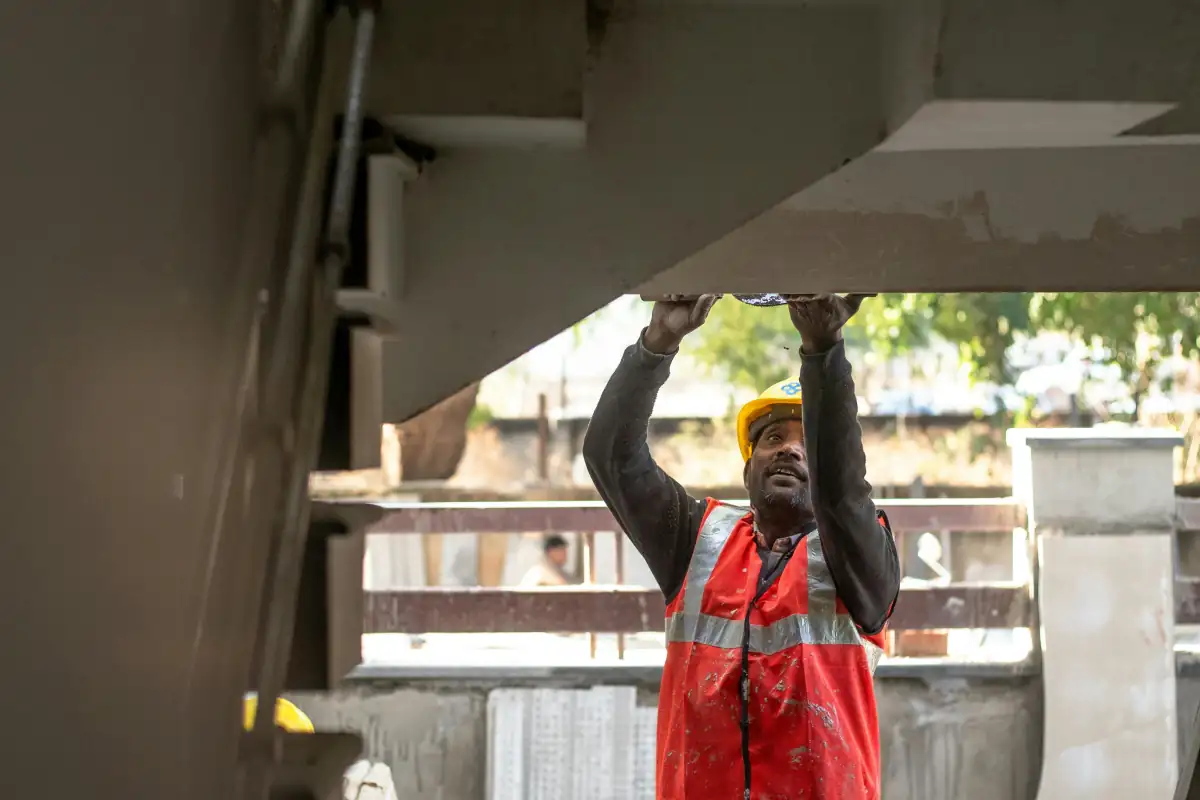
Construction quality is not created at the end of a project.
It is created every day on site.
It is created when the layout is marked correctly. It is created when steel is checked before concrete. It is created when shuttering is aligned. It is created when concrete is compacted properly. It is created when curing is not ignored. It is created when waterproofing is done before tiles. It is created when drainage is planned before waterlogging appears. It is created when finishing work is not rushed.
This is the role of site supervision.
A good site supervisor protects the project from mistakes that may not be visible immediately but can affect the building later. For homeowners, institutions, farmhouse owners, and commercial clients in Kolhapur and Panhala, supervision can be the difference between construction that only looks complete and construction that is actually reliable.
This guide explains why site supervision matters, what a supervisor checks, and how it affects construction quality from site assessment to handover.
What is site supervision in construction?
Site supervision is the daily monitoring and coordination of construction work.
A site supervisor or site engineer helps ensure that work is carried out according to drawings, measurements, quality requirements, safety expectations, and project sequence.
Site supervision may include:
- Checking layout and measurements
- Coordinating labour teams
- Monitoring material use
- Reading drawings on site
- Checking excavation and foundation work
- Checking reinforcement before concrete
- Checking shuttering alignment
- Monitoring concrete pouring
- Ensuring curing
- Coordinating brickwork and plastering
- Checking waterproofing areas
- Coordinating electrical and plumbing work
- Monitoring finishing quality
- Maintaining site safety
- Updating the client or project manager
- Identifying issues early
- Managing daily work sequence
A construction project has many moving parts. Without supervision, small mistakes can become permanent defects.
Why supervision matters more than many clients realize
A building is made in layers.
After one stage is completed, the next stage hides it.
- Foundation work gets covered.
- Steel reinforcement gets hidden inside concrete.
- Electrical conduits get covered by plaster.
- Plumbing lines get hidden behind tiles.
- Waterproofing gets covered by flooring.
- Drainage slopes get covered by external surfaces.
- Wall alignment gets hidden by finishing.
If a mistake is not caught at the right stage, it becomes expensive to correct later.
This is why supervision matters.
A site supervisor checks work before it is hidden.
Good supervision reduces rework, material wastage, quality defects, timeline delays, and client confusion.
Site supervision begins before execution
Supervision does not begin only after labour starts.
It begins with understanding the project.
Before work starts, the site supervisor or project team should understand:
- Site condition
- Drawings
- Scope of work
- Budget assumptions
- Construction sequence
- Material requirements
- Labour plan
- Machine access
- Storage area
- Safety requirements
- Quality checkpoints
- Client expectations
- Critical stages
- Drainage and water movement
- External development requirements
If supervision begins late, the project may already be working with wrong assumptions.
For sites in Panhala, this early understanding is especially important because slope, access, levels, and drainage can strongly affect construction sequence.
For city plots in Kolhapur, neighbouring structures, space limitations, road access, and material storage may need careful planning.
A supervisor should understand the site before controlling the work.
Layout marking needs careful supervision
Layout marking transfers the drawing onto the site.
It defines where the building, columns, walls, foundation, setbacks, compound wall, gate, and other elements will be placed.
A mistake in layout can affect the entire project.
Important layout checks include:
- Site boundary
- Building position
- Setbacks or margins
- Column positions
- Wall lines
- Room dimensions
- Foundation points
- Gate location
- Compound wall line
- Road level
- Plinth level
- Drainage direction
- Access points
If the layout is wrong, the project may face measurement problems, boundary issues, design mismatch, or correction costs.
A supervisor should check layout carefully before excavation begins.
Excavation and foundation work need site-level control
Foundation work is one of the most important stages of construction.
It is also one of the stages that becomes invisible after completion.
The site supervisor should check:
- Excavation depth
- Excavation width
- Soil condition
- Foundation location
- PCC base
- Reinforcement placement
- Shuttering, where required
- Concrete quality
- Column starter alignment
- Backfilling
- Plinth beam level
- Water accumulation in pits
- Safety around excavation
Foundation work should follow structural drawings and engineer guidance.
If the site has slope, soft soil, water movement, or level difference, supervision becomes even more important.
A foundation mistake cannot be easily corrected after the building rises above ground.
RCC work requires strict supervision
RCC work is one of the most supervision-sensitive stages in construction.
RCC includes foundations, columns, beams, slabs, staircases, water tanks, RCC gutters, lift structures, and other structural members.
Before concrete is poured, the supervisor should check:
- Steel size
- Steel spacing
- Number of bars
- Stirrups
- Cover blocks
- Lap length
- Beam and slab reinforcement
- Column alignment
- Shuttering strength
- Shuttering level
- Cleanliness before concreting
- Electrical and plumbing sleeves
- Concrete arrangement
- Labour readiness
- Vibrator availability
- Safety arrangements
- Curing plan
During concrete work, the supervisor should monitor:
- Concrete placement
- Compaction
- Avoiding excess water
- Vibration
- Slab levels
- Pour continuity
- Worker safety
- Finishing of surface
- Protection from rain or disturbance
After concrete work, the supervisor should ensure:
- Curing
- Safe shuttering removal
- Surface inspection
- Honeycombing repair, if needed
- Level checking
- Protection of fresh concrete
RCC work cannot depend only on labour experience. It needs supervision because the consequences of mistakes are long-term.
Material quality must be monitored
Construction quality depends on material quality and material use.
A supervisor should monitor whether the right material is arriving, stored properly, and used in the correct location.
Material supervision may include:
- Cement storage
- Steel storage
- Sand and aggregate quality
- Brick or block quality
- Concrete material use
- Water quality for mixing and curing
- Waterproofing material
- Tile and flooring material
- Paint material
- Plumbing pipes
- Electrical conduits and wires
- Door and window material
- Paver blocks
- RCC gutter material
- Finishing items
Poor storage can damage material. Cement exposed to moisture can lose quality. Steel left poorly stored can rust. Sand and aggregates may contain unwanted material. Tiles may get damaged before installation.
A good supervisor does not only count materials. They protect material quality.
Labour coordination affects both quality and speed
A construction site includes different labour teams.
Excavation workers, masons, bar benders, shuttering workers, concrete workers, plumbers, electricians, plasterers, flooring workers, painters, fabricators, and finishing teams may all work at different stages.
Without coordination, work can overlap incorrectly.
For example:
- Plastering may begin before plumbing routes are ready.
- Flooring may start before waterproofing is tested.
- Electrical conduits may be missed before slab casting.
- Painting may begin before dampness is solved.
- Paver blocks may be laid before drainage slope is corrected.
- Compound wall work may block water movement before outlets are planned.
The supervisor coordinates sequence.
Good sequencing prevents damage, rework, and delay.
Waterproofing must be supervised before it is covered
Waterproofing is one of the most important quality stages in Kolhapur and Panhala construction.
Bathrooms, terraces, balconies, water tanks, external walls, and roof areas need careful handling.
A supervisor should check:
- Surface preparation
- Cracks and joints
- Pipe penetrations
- Slope
- Waterproofing application
- Curing or drying time
- Testing, where required
- Protection before tiling
- Terrace outlet placement
- Bathroom slope
- Water tank treatment
- Leakage-prone corners
Waterproofing failures often appear after the building is occupied.
By then, correction can be expensive because tiles, plaster, paint, or ceilings may need to be removed.
This is why waterproofing supervision is essential before finishing work begins.
Electrical and plumbing work needs civil coordination
Electrical and plumbing work are often hidden inside walls, floors, and slabs.
If these are not coordinated properly, the building may face service problems later.
Site supervision should ensure:
- Electrical conduits are placed before slab casting
- Switchboard positions are marked clearly
- Plumbing sleeves are provided where needed
- Drainage lines have proper slope
- Water supply routes are coordinated
- Bathroom points match the layout
- Kitchen points are placed correctly
- Pump and water tank connections are planned
- External lighting conduits are considered
- No unnecessary wall cutting happens after plastering
- Testing is done before covering service lines
Civil work and service work should not be treated separately.
A supervisor helps coordinate them before mistakes are hidden.
Brickwork and plastering need line, level, and curing checks
Brickwork, blockwork, and plastering affect the final finish of the building.
If walls are not straight, plaster thickness may increase. If plastering is poor, paint quality may suffer. If curing is ignored, cracks may appear.
Site supervision should check:
- Wall alignment
- Vertical level
- Mortar quality
- Joint filling
- Door and window openings
- Lintel placement
- Plaster thickness
- Surface preparation
- Curing
- Corner finish
- Line and level
- Crack control
- Coordination with electrical and plumbing points
These stages may look less technical than RCC work, but they strongly affect finishing quality.
A building with poor wall and plaster supervision will show defects even if premium paint is used.
Finishing work needs patient supervision
Finishing is the stage most clients notice first.
Flooring, tiling, painting, doors, windows, false ceiling, fixtures, fittings, and final cleaning all affect the final experience of the building.
Supervision during finishing should check:
- Tile alignment
- Floor level
- Bathroom slope
- Skirting lines
- Door fitting
- Window fitting
- Paint surface preparation
- Primer and paint quality
- False ceiling alignment
- Electrical fixture placement
- Plumbing fixture testing
- Edge finishing
- Final touch-ups
- Cleaning
- Protection of completed work
Finishing work should not be rushed because it is close to handover.
Small mistakes at this stage are highly visible.
A good supervisor keeps the final stage disciplined.
Drainage and external development need site supervision
External development is often where weak supervision creates long-term problems.
A building may be well built, but poor external drainage can damage it over time.
Supervision should cover:
- Site levelling
- Water-flow direction
- RCC gutter slope
- Paver block base preparation
- Parking area slope
- Compound wall drainage
- Gate level
- Approach path
- Water tank area
- Surface drain
- Storm-water outlet
- Post-construction cleaning
For Kolhapur and Panhala sites, drainage and monsoon planning are important. Water should move away from the building, not toward it.
A supervisor should check external levels before surfaces are finished.
Site supervision improves safety
Quality and safety are connected.
A disorderly site is more likely to produce poor work.
A site supervisor helps maintain:
- Safe excavation zones
- Controlled machine movement
- Safe scaffolding
- Material stacking
- Worker coordination
- Restricted entry areas
- Electrical tool safety
- Safe shuttering support
- Height-work awareness
- Debris management
- Safe access for clients and visitors
- Clean working areas
Safety is especially important in institutional, commercial, and campus projects where people may be moving near construction activity.
A well-supervised site is usually cleaner, safer, and more disciplined.
Supervision protects the timeline
Many delays happen because work is not coordinated properly.
A supervisor helps keep the project moving by checking what is needed next.
This may include:
- Material requirement
- Labour availability
- Drawing clarification
- Client decisions
- Engineer inspection
- Concrete schedule
- Waterproofing sequence
- Tile or paint selection
- Plumbing and electrical coordination
- Machine availability
- External work timing
- Cleaning and handover preparation
Without daily coordination, small delays accumulate.
A supervisor helps prevent idle labour, missing material, repeated corrections, and late decisions.
Good supervision protects time as well as quality.
Communication with the client matters
A site supervisor often becomes the bridge between the client and the construction work.
The client may not understand every technical detail, but they should know the project status.
A good supervisor or construction team should communicate:
- Current stage
- Completed work
- Upcoming work
- Pending decisions
- Material requirements
- Site challenges
- Quality concerns
- Timeline changes
- Cost-impacting changes
- Inspection requirements
- Handover readiness
Clear communication prevents confusion.
For homeowners building their first house, this is especially important. For institutions and commercial clients, it helps decision-makers track progress and approvals.
A client should not discover major issues only at the end.
Supervision in residential construction
Residential construction needs close supervision because a home includes many details.
Important supervision areas include:
- Foundation
- RCC work
- Brickwork
- Bathroom waterproofing
- Terrace waterproofing
- Plumbing routes
- Electrical points
- Flooring
- Painting
- Door and window fitting
- Water tank
- Compound wall
- Drainage
- External development
- Final cleaning
A home is used daily by the family. Small mistakes can become daily inconvenience.
Good supervision protects comfort, safety, and long-term maintenance.
Supervision in farmhouse construction
Farmhouse construction near Panhala and Kolhapur needs site-specific supervision.
The supervisor should pay attention to:
- Access road
- Slope
- Ground levels
- Drainage
- Compound wall
- Gate planning
- Water tank
- RCC work
- External lighting coordination
- Site development
- Material storage
- Weather exposure
- Maintenance access
Farmhouse sites may be open, uneven, or farther from regular supply routes. This makes daily planning and supervision more important.
A farmhouse should be built for durability, not only appearance.
Supervision in institutional construction
Institutional projects need structured supervision.
A college, hospital, campus, or sports facility may involve more users, larger areas, and stricter safety expectations.
Supervision should cover:
- Campus access
- Student or visitor movement
- RCC quality
- Compound wall work
- Sports ground development
- RCC gutter work
- Water tank work
- Drainage
- Safety barriers
- Material movement
- Work sequencing
- Progress reporting
- Handover stages
JVS Enterprises has experience with institutional and campus-related works such as college building work, sports complex work, hospital compound wall work, RCC lift-related work, football ground with RCC gutter, and water tank construction.
Such projects need supervision because the work affects daily institutional use.
What clients should expect from a supervised site
A properly supervised site usually has certain visible signs.
- The work is sequenced.
- Materials are stored properly.
- Measurements are checked.
- Drawings are referred to.
- Reinforcement is inspected before concreting.
- Concrete is cured.
- Waterproofing is not rushed.
- Electrical and plumbing work is coordinated.
- External drainage is planned.
- Workers know the current task.
- The client receives updates.
- Corrections happen early.
- The site is reasonably clean and safe.
No construction site is perfect every day. But a supervised site has control.
That control is what protects quality.
Common problems caused by poor supervision
Poor supervision can create defects that become visible later.
Common problems include:
- Wrong layout
- Incorrect foundation depth
- Poor steel placement
- Weak shuttering
- Honeycombing in concrete
- Insufficient curing
- Crooked walls
- Uneven plaster
- Bathroom leakage
- Terrace leakage
- Wrong electrical points
- Poor plumbing slope
- Tile level differences
- Paint defects
- Door and window misalignment
- Waterlogging near building
- Cracks in compound wall
- Delayed work
- Material wastage
- Unsafe site conditions
Many of these issues are preventable if someone checks the work at the right time.
Supervision is less costly than correction.
Site supervision checklist for clients
Clients can use this simple checklist during construction:
- Is there a site supervisor or engineer assigned?
- Are drawings available on site?
- Is layout checked before excavation?
- Is foundation work supervised?
- Is reinforcement checked before concrete?
- Is shuttering checked before casting?
- Is concrete compacted properly?
- Is curing done after RCC work?
- Are brickwork lines and levels checked?
- Are electrical and plumbing routes coordinated?
- Is waterproofing checked before tiling?
- Is drainage direction planned?
- Are materials stored properly?
- Are safety precautions followed?
- Are updates given to the client?
- Are changes recorded clearly?
- Is final finishing inspected before handover?
This checklist helps clients evaluate whether the project is being actively managed.
Choosing a construction company with strong supervision
Before appointing a construction company, clients should ask:
- Who will supervise the site?
- How often will the owner or engineer visit?
- Who checks RCC work before casting?
- Who coordinates labour teams?
- How are materials checked?
- How are waterproofing and drainage supervised?
- How are changes communicated?
- How is quality checked before handover?
- Has the company handled similar projects before?
- Can the company manage residential, institutional, farmhouse, and external development work?
A reliable contractor should have a supervision system, not only labour availability.
Construction quality depends on who is watching the work when decisions are being made.
JVS Enterprises and site supervision
JVS Enterprises works with a team structure that includes site engineering, site supervision, machine operation, and project execution support.
Based on the company information provided, the team includes:
- Rushikesh B. Gaikwad — Site Engineer
- Santosh Khatate — Site Supervisor
- Shaharuk Faras — Site Supervisor
- Suraj S. Bhosale — Site Supervisor
- Ajay Chavan — JCB Driver
- Krishnat Patil — Tractor Driver
This matters because construction work needs daily coordination.
A project may require excavation, RCC work, brickwork, plastering, waterproofing, flooring, compound wall work, drainage, water tank construction, external development, and cleaning. Each stage needs attention.
A company that has people responsible for site execution can maintain better control over quality, timeline, and communication.
Final thoughts
Site supervision is one of the strongest foundations of construction quality.
Good materials are important. Good drawings are important. Skilled labour is important. But without supervision, even good resources can be used incorrectly.
A supervisor protects the project during the moments that matter: before concrete is poured, before waterproofing is covered, before services are hidden, before finishing is completed, and before handover is accepted.
For clients in Kolhapur, Panhala, and nearby areas, choosing a construction company with proper site supervision is not a small detail.
It is one of the most important decisions in the entire project.
A well-supervised site builds quality quietly, stage by stage.
Frequently asked questions
Why is site supervision important in construction?
Site supervision is important because it helps ensure that construction work follows drawings, measurements, quality requirements, safety practices, and proper sequence. It helps prevent hidden defects, rework, material wastage, and delays.
What does a construction site supervisor do?
A site supervisor checks daily work, coordinates labour, monitors materials, verifies measurements, checks RCC work, coordinates electrical and plumbing work, supervises waterproofing, tracks progress, maintains site safety, and communicates project updates.
Why is supervision important during RCC work?
RCC work becomes hidden after concrete is poured. A supervisor should check reinforcement, shuttering, cover blocks, levels, sleeves, concrete placement, compaction, curing, and safety before and during concreting.
How does site supervision prevent cost overruns?
Good supervision prevents mistakes, rework, material wastage, incorrect sequencing, late corrections, and avoidable delays. It helps identify issues early before they become expensive.
What should clients check on a construction site?
Clients should check whether drawings are available, measurements are verified, RCC work is inspected, materials are stored properly, curing is done, waterproofing is supervised, drainage is planned, and regular updates are provided.
Does JVS Enterprises provide site supervision in Kolhapur and Panhala?
Yes. JVS Enterprises works with site engineering and site supervision support for residential, farmhouse, institutional, RCC, compound wall, water tank, drainage, renovation, external development, and turnkey construction projects in Kolhapur, Panhala, and nearby areas.
Need help turning this insight into a practical project plan?
JVS Enterprises provides site supervision, project planning, RCC work, residential construction, farmhouse construction, institutional construction, compound wall construction, water tank construction, drainage work, renovation, external development, and turnkey construction services.
Start a Project Conversation