


A construction project becomes difficult when too many responsibilities are separated without coordination. One person prepares the drawing. Another gives the estimate. Another handles excavation. Another manages RCC work. Another handles brickwork. Another manages plumbing. Another handles electrical work. Another starts finishing. Another does drainage and external development.
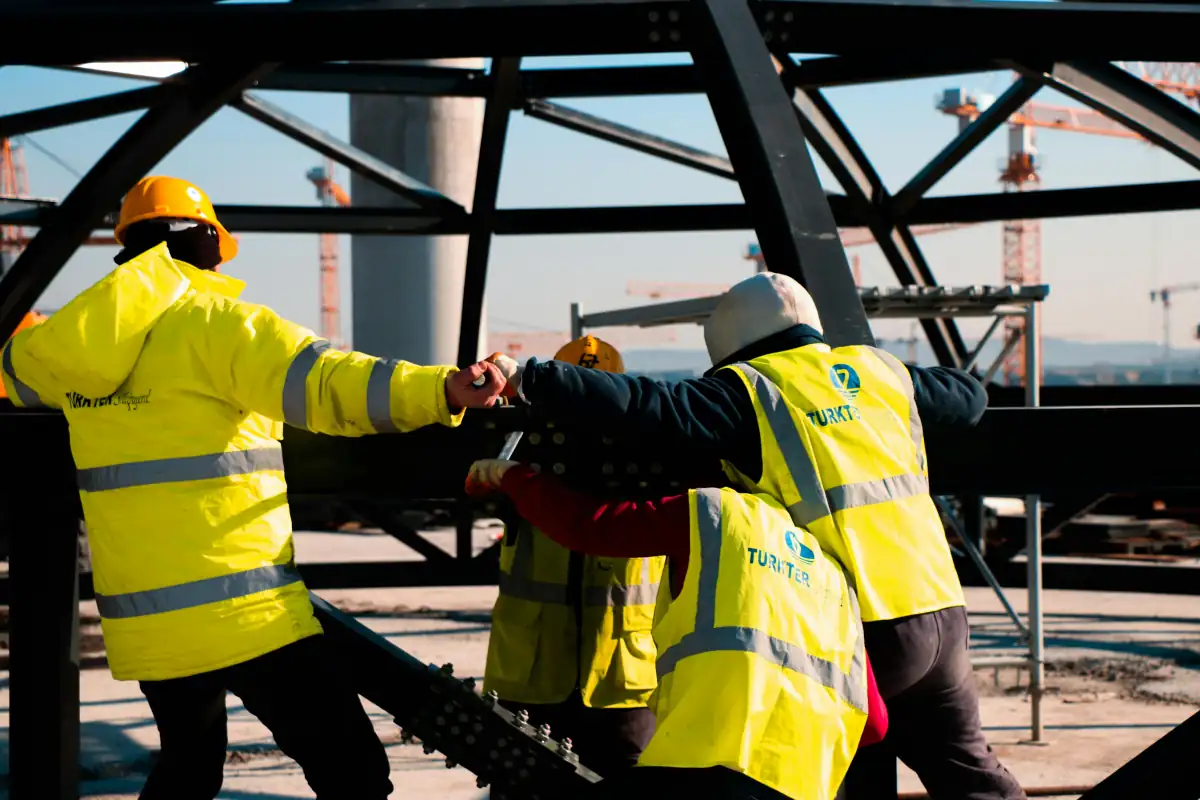
A construction project becomes difficult when too many responsibilities are separated without coordination.
One person prepares the drawing. Another gives the estimate. Another handles excavation. Another manages RCC work. Another handles brickwork. Another manages plumbing. Another handles electrical work. Another starts finishing. Another does drainage and external development.
If coordination is weak, the client becomes the project manager.
This is where turnkey construction becomes useful.
In a turnkey construction project, the client works with one responsible contractor or construction company for a defined scope of work. The contractor manages planning, coordination, execution, supervision, quality checks, and handover according to the agreed terms.
For homeowners, farmhouse owners, institutions, and commercial clients in Kolhapur and Panhala, turnkey construction can reduce confusion if the scope is clear from the beginning.
But turnkey does not mean “no questions.” It means one contractor is responsible for delivering a clearly defined project.
This guide explains what clients should expect from a single responsible contractor before starting a turnkey construction project.
What is turnkey construction?
Turnkey construction is a project delivery approach where one contractor takes responsibility for completing a defined construction scope and handing over the project in a usable condition.
The exact scope may vary from project to project.
In some cases, turnkey construction may include only civil work and finishing. In other cases, it may include planning, estimation, material procurement, labour, RCC work, brickwork, plastering, waterproofing, flooring, electrical and plumbing coordination, compound wall, water tank, drainage, external development, cleaning, and final handover.
The key idea is single-point responsibility.
Instead of the client coordinating many different contractors, the turnkey contractor manages the connected work.
This can be useful for:
- Residential homes
- Farmhouses
- Commercial buildings
- Institutional buildings
- Renovation projects
- Compound wall projects
- Water tank projects
- External site development
- RCC and civil works
- Turnkey construction from site preparation to handover
A turnkey project works well only when the scope is written clearly.
Turnkey construction is not the same as a vague package
The word “turnkey” is often used casually.
That can create misunderstanding.
A proper turnkey project should not be a vague promise such as “complete construction.” The client should know exactly what is included and what is not included.
The agreement should clarify:
- Site assessment
- Drawings and design coordination
- Permissions support, where applicable
- BOQ and estimation
- Material specifications
- Labour and machinery
- RCC work
- Brickwork or blockwork
- Plastering
- Waterproofing
- Flooring and tiling
- Painting
- Doors and windows
- Electrical coordination
- Plumbing coordination
- Compound wall
- Water tank
- Drainage and RCC gutter work
- Paver block work
- External development
- Post-construction cleaning
- Handover expectations
- Exclusions
- Change process
- Payment stages
- Timeline
Without this clarity, turnkey construction can become confusing.
A serious turnkey contractor should explain the scope before work begins.
Why clients choose turnkey construction
Clients usually choose turnkey construction because they want one responsible team.
This is especially useful when the client does not have time, technical knowledge, or daily availability to manage multiple contractors.
Turnkey construction can help with:
- Single-point communication
- Better coordination between work stages
- Fewer gaps between civil, electrical, plumbing, and finishing work
- Clearer responsibility
- Better timeline control
- More practical budgeting
- Reduced client-side coordination
- Stage-wise quality checks
- Connected planning for building and external development
- Cleaner handover process
- For a homeowner, turnkey construction can reduce stress.
- For a farmhouse owner, it can help coordinate building, compound wall, water tank, drainage, and access work together.
- For an institution, it can simplify communication and execution responsibility.
- For a commercial client, it can connect building work with parking, services, drainage, and site development.
The value of turnkey construction is not only convenience.
It is coordination.
Where turnkey construction can go wrong
Turnkey construction is not automatically better.
It can go wrong if expectations are unclear.
Common problems include:
- Unclear scope
- No BOQ
- Vague material specifications
- No written exclusions
- No drawing finalization
- No change-control process
- Low initial quote with later additions
- Poor site supervision
- Weak communication
- Delayed client decisions
- Unclear payment stages
- External development not included
- Waterproofing ignored
- Drainage planned too late
- Finishing quality not defined
- No final inspection process
A turnkey project should reduce uncertainty, not hide it.
The client should never assume that everything is included unless it is written in the scope.
A reliable contractor will not avoid details. They will define them.
Start with site assessment
Every turnkey project should begin with a site assessment.
The contractor should inspect the site before finalizing the estimate and work plan.
A site assessment should check:
- Road access
- Plot level
- Soil condition
- Slope
- Water flow
- Material storage space
- Machine access
- Existing structures
- Demolition needs
- Boundary condition
- Drainage outlet
- Water and electricity availability
- Neighbouring property levels
- Compound wall requirement
- Approach road requirement
- Site development needs
- Monsoon-related risks
For Panhala and nearby areas, slope, access, and drainage may strongly affect construction planning.
For Kolhapur city sites, road access, material storage, neighbouring structures, drainage, and road level may affect execution.
A turnkey quote prepared without site understanding can become unreliable later.
Drawings and design coordination should be completed early
Turnkey construction depends on clear drawings.
Before execution begins, the contractor should understand the design, structural details, and service requirements.
Depending on the project, this may include:
- Architectural plan
- Structural drawings
- Foundation plan
- Column and beam layout
- Slab details
- Staircase details
- Electrical layout
- Plumbing layout
- Drainage plan
- Water tank details
- Compound wall plan
- External development layout
- Finishing schedule
The contractor should coordinate with the architect and engineer where required.
If drawings are incomplete, the project may face changes during execution. These changes can affect cost, timeline, and quality.
A good turnkey contractor does not rush into work before understanding the design.
BOQ and estimate should define the project
A BOQ, or Bill of Quantities, is one of the most useful documents in turnkey construction.
It breaks the project into measurable work items and helps both client and contractor understand the scope.
A turnkey BOQ may include:
- Site clearing
- Excavation
- Foundation
- PCC
- RCC work
- Steel reinforcement
- Shuttering
- Brickwork or blockwork
- Plastering
- Waterproofing
- Flooring
- Tiling
- Painting
- Doors and windows
- Electrical coordination
- Plumbing coordination
- Water tank
- Compound wall
- Drainage
- RCC gutter
- Paver blocks
- External development
- Demolition, where needed
- Post-construction cleaning
A BOQ prevents vague discussions.
It allows the client to know what has been included in the price and what will be treated as additional work.
For turnkey construction, BOQ clarity is one of the strongest protections against cost disputes.
Material specifications should be written clearly
Material selection affects both cost and quality.
In turnkey construction, material specifications should not be left open to assumption.
The contractor and client should discuss:
- Cement and steel assumptions
- Concrete grade or concrete method
- Brick or block type
- Sand and aggregate quality
- Waterproofing system
- Flooring category
- Tile selection range
- Paint type
- Door and window specifications
- Electrical wire and switch quality
- Plumbing pipe quality
- Bathroom fitting range
- False ceiling or gypsum work, if included
- Paver block type
- Gate and compound wall finish
- Water tank specifications
If specifications are not clear, the client may expect one quality level while the contractor has budgeted another.
Turnkey construction should define quality before execution begins.
RCC work needs strong supervision in turnkey projects
RCC work is one of the most important parts of construction.
It includes foundations, columns, beams, slabs, staircases, water tanks, RCC gutters, lift-related structures, and other structural elements.
In a turnkey project, the contractor should be responsible for coordinating RCC work with the structural drawings and site supervision.
Important RCC checks include:
- Foundation size
- Steel placement
- Column alignment
- Beam reinforcement
- Slab reinforcement
- Cover blocks
- Shuttering strength
- Concrete quality
- Compaction
- Curing
- Engineer coordination
- Safe shuttering removal
- Surface inspection
Clients should expect the turnkey contractor to treat RCC work as a technical responsibility, not ordinary labour work.
RCC quality decides the long-term strength of the building.
Electrical and plumbing coordination should happen before finishing
Turnkey construction is useful because civil work and service work can be coordinated together.
Electrical and plumbing decisions should not be delayed until the finishing stage.
The contractor should coordinate:
- Switchboard locations
- Light and fan points
- Power sockets
- Kitchen points
- Bathroom plumbing
- Water supply lines
- Drainage lines
- Pump connection
- Water tank connection
- Terrace outlets
- External lighting
- Commercial or institutional electrical load
- Future service points
- Plumbing sleeves and slab openings
- Conduit routing
If services are planned late, walls may need to be cut after plastering. Tiles may need to be removed. Finished work may be damaged.
A turnkey contractor should prevent this by coordinating services before finishing.
Waterproofing should be included in serious turnkey planning
Waterproofing is often where weak construction planning becomes visible.
Bathrooms, terraces, balconies, water tanks, external walls, and roof areas need careful treatment.
A turnkey contractor should clarify whether waterproofing is included and which areas will be treated.
Important waterproofing areas include:
- Terrace
- Bathroom floors
- Bathroom wall zones
- Balconies
- Water tanks
- Roof joints
- External wall cracks
- Pipe penetrations
- Plinth areas, where needed
- Construction joints
In Kolhapur and Panhala, monsoon exposure makes waterproofing and drainage especially important.
A turnkey project should not hide waterproofing as an optional extra unless it is clearly excluded.
External development should not be forgotten
Many projects are called turnkey, but they include only the main building.
This creates problems.
A building may be complete, but the property may still need compound wall, gate, drainage, water tank, paver blocks, parking, approach road, external lighting coordination, or final cleaning.
Turnkey construction should clarify external development.
External development may include:
- Site levelling
- Filling
- Compound wall
- Gate work
- Parking area
- Paver block work
- RCC pavement
- RCC gutter
- Drainage
- Water tank
- Approach path
- Sports ground development
- Boundary development
- External utility areas
- Post-construction cleaning
For farmhouses, institutions, and commercial sites, external development is not optional. It directly affects usability.
A turnkey project should define whether the contractor is handing over only the building or the full usable site.
Timeline should be practical and stage-wise
A turnkey contractor should provide a realistic timeline.
The timeline should not be only a final date. It should explain the major stages.
A typical stage-wise timeline may include:
- Site assessment
- Drawing coordination
- Budget and BOQ finalization
- Permission coordination, where applicable
- Site clearing
- Excavation
- Foundation
- RCC work
- Brickwork
- Plastering
- Electrical and plumbing coordination
- Waterproofing
- Flooring and tiling
- Painting
- Doors and windows
- External development
- Final cleaning
- Inspection
- Handover
The timeline should also mention client-side decisions that affect progress.
For example:
- Tile selection
- Door and window selection
- Paint selection
- Bathroom fittings
- Electrical point finalization
- Design changes
- Payment schedule
- Permission documents
- Material approvals
Turnkey construction reduces coordination pressure, but the client still needs to make timely decisions.
Payment stages should match project progress
Payment structure should be clear before work begins.
In turnkey construction, payments are usually connected to work stages.
A payment plan may be linked to:
- Mobilization
- Site clearing
- Excavation
- Foundation
- Plinth
- RCC slab stages
- Brickwork
- Plastering
- Waterproofing
- Flooring
- Finishing
- External development
- Final handover
The exact structure depends on project size and agreement.
Clear payment stages help maintain cash flow, material procurement, labour continuity, and project discipline.
A turnkey project should avoid unclear payment expectations.
Both client and contractor should know when payments are due and what work stage they relate to.
Client involvement is still important
Turnkey construction does not mean the client disappears from the project.
The contractor manages execution, but the client must still make important decisions.
Client involvement is needed for:
- Approving drawings
- Confirming budget
- Selecting material categories
- Approving changes
- Finalizing finishing choices
- Making payments on time
- Reviewing stage progress
- Confirming external development scope
- Approving final corrections
- Accepting handover
The best turnkey projects have structured client involvement.
The client is not burdened with daily labour coordination, but they remain informed and involved in key decisions.
Quality control should happen stage by stage
A turnkey contractor should not wait until the end to check quality.
Quality should be checked during every stage.
Important checkpoints include:
- Layout marking
- Excavation depth
- Foundation dimensions
- Steel before concrete
- Shuttering before RCC work
- Concrete placement
- Curing
- Wall alignment
- Plaster quality
- Electrical and plumbing routing
- Waterproofing before tiling
- Flooring level
- Bathroom slope
- Paint surface preparation
- Door and window fitting
- Water tank testing
- Drainage flow
- Compound wall alignment
- Paver block slope
- Final cleaning
Stage-wise quality control reduces hidden defects.
A turnkey contractor should have a supervision system to check these stages properly.
Site supervision is central to turnkey construction
Turnkey construction depends heavily on site supervision.
Since one contractor is responsible for connected work, the site team must coordinate labour, materials, drawings, quality checks, services, safety, and progress.
Site supervision should cover:
- Daily work sequence
- Labour coordination
- Material use
- Measurement checks
- RCC supervision
- Waterproofing supervision
- Electrical and plumbing coordination
- External development checks
- Safety
- Progress updates
- Client communication
- Issue resolution
- Final inspection
Without supervision, turnkey construction becomes only a package name.
With supervision, it becomes a controlled delivery process.
Turnkey construction for residential homes
For homeowners, turnkey construction can reduce stress if the contractor handles the full process responsibly.
A residential turnkey project may include:
- Site assessment
- Planning
- Estimation
- Foundation
- RCC work
- Brickwork
- Plastering
- Waterproofing
- Flooring
- Painting
- Electrical and plumbing coordination
- Doors and windows
- Water tank
- Compound wall
- Drainage
- External development
- Cleaning
- Handover
The homeowner should clarify whether interiors, false ceiling, premium fittings, compound wall, paver blocks, and external work are included.
A home should not be called complete if important site work remains unclear.
Turnkey construction for farmhouses
Farmhouse turnkey construction needs broader site planning than many city homes.
A farmhouse may need:
- Approach road
- Site clearing
- Levelling
- Foundation
- RCC work
- Farmhouse building
- Water tank
- Compound wall
- Gate
- Drainage
- RCC gutter
- Paver blocks
- Outdoor areas
- External lighting coordination
- Security provisions
- Post-construction cleaning
For farmhouses near Panhala, slope, water movement, and access should be studied carefully.
A turnkey farmhouse project should include both building and site development planning.
Turnkey construction for commercial buildings
Commercial turnkey construction should support business use.
A commercial turnkey project may include:
- Site assessment
- Business-use planning
- Drawing coordination
- Estimation and BOQ
- RCC work
- Civil construction
- Electrical and plumbing coordination
- Water tank
- Toilets
- Parking
- Paver blocks
- Drainage
- Compound wall
- Gate
- External development
- Finishing
- Cleaning
- Handover
The contractor should understand access, customer movement, staff movement, loading, parking, services, and future flexibility.
A commercial building should be ready for business use, not just structurally complete.
Turnkey construction for institutions
Institutional turnkey projects need strong coordination and reporting.
A college, hospital, campus, sports facility, or institutional block may require:
- Drawing coordination
- BOQ clarity
- RCC quality
- Safety planning
- Campus movement planning
- Compound wall
- Water tank
- RCC gutter
- Drainage
- Sports ground work
- External development
- Work sequencing
- Progress reporting
- Final handover
Institutions should expect more structure in communication, measurement, safety, and documentation.
JVS Enterprises has experience with institutional and campus-related projects such as college building work, sports complex work, hospital compound wall work, RCC lift-related work, football ground development with RCC gutter, and water tank construction.
That kind of project exposure supports turnkey planning because institutional work often involves multiple connected construction elements.
Turnkey renovation and repair work
Turnkey construction is not limited to new buildings.
It can also apply to renovation, repair, remodelling, and maintenance work.
A turnkey renovation project may include:
- Inspection
- Demolition
- Structural repair
- RCC repair
- Waterproofing
- Plumbing replacement
- Electrical upgrades
- Flooring
- Plastering
- Painting
- Door and window replacement
- Compound wall repair
- Drainage correction
- External development
- Cleaning and handover
For old structures, the contractor should inspect the building before estimating. Hidden damage, leakage, weak plaster, old plumbing, and RCC issues may affect cost and scope.
Turnkey renovation needs even more clarity because existing structures often reveal problems only after work begins.
What should be included in a turnkey agreement?
Before starting, the client should clarify the agreement.
Important points include:
- Project scope
- Drawings
- BOQ
- Material specifications
- Included work
- Excluded work
- Timeline
- Payment schedule
- Site supervision responsibility
- Quality checks
- Change process
- Material approval process
- Client decision deadlines
- Waterproofing scope
- Electrical and plumbing scope
- External development scope
- Cleaning and handover
- Warranty or defect correction terms, where applicable
- Dispute resolution method
A written scope protects both sides.
Turnkey construction depends on trust, but trust should be supported by clarity.
Common mistakes in turnkey construction
Many turnkey project problems can be avoided.
Mistake 1: Assuming everything is included
Turnkey does not automatically include all work. Scope must be written.
Mistake 2: Starting without drawings
Without drawings, cost and execution cannot be controlled properly.
Mistake 3: No BOQ or detailed estimate
A vague package price creates confusion later.
Mistake 4: Unclear material specifications
Material quality should be defined before work begins.
Mistake 5: Ignoring external development
Compound wall, drainage, water tank, gate, parking, and paver blocks should be clarified.
Mistake 6: Late design changes
Changes after work begins can affect cost and timeline.
Mistake 7: Poor supervision
Turnkey construction needs strong site supervision because one contractor manages connected work.
Mistake 8: Not documenting extra work
Any additional work should be approved with cost and timeline impact.
Mistake 9: Weak handover process
The project should be inspected before final handover.
Mistake 10: Choosing only by lowest quote
A low turnkey quote may exclude important work or use unclear specifications.
Turnkey construction checklist for clients
Before choosing a turnkey contractor, use this checklist:
- Is the site inspected?
- Are drawings ready?
- Is the scope written clearly?
- Is BOQ prepared?
- Are material specifications defined?
- Are inclusions and exclusions listed?
- Is RCC work clearly included?
- Is waterproofing included?
- Are electrical and plumbing items included?
- Is compound wall included?
- Is water tank included?
- Is drainage included?
- Is external development included?
- Is timeline stage-wise?
- Are payment stages clear?
- Is site supervision defined?
- Is the change process clear?
- Is final cleaning included?
- Is handover inspection planned?
This checklist helps clients understand what they are actually buying in a turnkey project.
Choosing a turnkey contractor in Kolhapur or Panhala
The right turnkey contractor should be able to manage both construction and coordination.
Before appointing a contractor, ask:
- Can they inspect the site before quoting?
- Can they prepare a BOQ?
- Can they explain material specifications?
- Can they manage RCC work?
- Can they coordinate electrical and plumbing work?
- Can they handle waterproofing?
- Can they manage compound wall and drainage work?
- Can they handle water tank construction?
- Can they manage external development?
- Can they supervise the site daily?
- Can they communicate progress clearly?
- Can they manage residential, farmhouse, commercial, institutional, and renovation work?
A turnkey contractor should not only offer convenience. They should offer responsibility.
JVS Enterprises and turnkey construction
JVS Enterprises provides turnkey construction services in Kolhapur and Panhala for residential, farmhouse, commercial, institutional, renovation, RCC, compound wall, water tank, drainage, site development, and external development projects.
The company’s services include:
- Site assessment and feasibility review
- Project planning and scheduling
- Drawing coordination
- Estimation and budgeting
- BOQ preparation
- Permit and approval coordination support
- Residential construction
- Commercial construction
- Institutional construction
- Industrial building construction
- Turnkey construction projects
- Foundation work
- RCC work
- Brickwork and blockwork
- Plastering
- Flooring and tiling
- Painting and waterproofing
- Electrical and plumbing coordination
- Interior finishing work
- Structural repair
- Demolition
- Maintenance
- Fabrication and welding
- RCC road, pavement, and paver block work
- Gutter and drainage work
- Boundary gate and site development work
- Sports ground and external ground development
This range matters because a turnkey project often includes many connected tasks.
- A building needs RCC work.
- RCC work needs supervision.
- Supervision needs drawings.
- Drawings affect BOQ.
- BOQ affects budget.
- Budget affects material selection.
- Material selection affects finishing.
- Finishing depends on waterproofing.
- Waterproofing depends on drainage.
- Drainage depends on site development.
- Site development affects final usability.
A contractor who understands the full chain can manage the project more responsibly.
Final thoughts
Turnkey construction is useful when the client wants one responsible team to manage a defined project from planning to handover.
But the success of a turnkey project depends on clarity.
- The scope should be written.
- The BOQ should be prepared.
- Material specifications should be defined.
- RCC work should be supervised.
- Electrical and plumbing coordination should happen early.
- Waterproofing should be included where required.
- Drainage and external development should not be forgotten.
- Changes should be documented.
- Final handover should be inspected.
For clients in Kolhapur, Panhala, and nearby areas, turnkey construction can make the building journey more structured and less confusing.
The right contractor does not only complete the work.
They carry responsibility from the first site visit to the final handover.
Frequently asked questions
What is turnkey construction?
Turnkey construction is a project model where one contractor takes responsibility for completing a defined construction scope and handing over the project in usable condition. The scope may include planning, estimation, materials, labour, RCC work, finishing, services, external development, and handover, depending on the agreement.
What is included in a turnkey construction project?
A turnkey project may include site assessment, drawings coordination, BOQ, estimation, excavation, foundation, RCC work, brickwork, plastering, waterproofing, flooring, painting, electrical and plumbing coordination, doors and windows, compound wall, water tank, drainage, external development, cleaning, and handover. The exact scope should be written clearly.
Is turnkey construction better than hiring separate contractors?
Turnkey construction can be better when the client wants single-point responsibility and easier coordination. However, it works well only when scope, material specifications, BOQ, timeline, payment stages, and exclusions are clearly defined.
What should I check before selecting a turnkey contractor?
Check whether the contractor can inspect the site, prepare a BOQ, define material specifications, coordinate drawings, supervise RCC work, manage electrical and plumbing coordination, handle drainage and external development, communicate progress, and provide a clear handover process.
Can turnkey construction include compound wall, water tank, and drainage work?
Yes, turnkey construction can include compound wall, water tank, drainage, RCC gutter, paver blocks, parking, and external site development if these are included in the written scope and estimate.
Does JVS Enterprises provide turnkey construction in Kolhapur and Panhala?
Yes. JVS Enterprises provides turnkey construction services including site assessment, BOQ preparation, estimation, residential construction, farmhouse construction, commercial construction, institutional construction, RCC work, compound wall construction, water tank construction, drainage work, renovation, external development, and handover in Kolhapur, Panhala, and nearby areas.
Need help turning this insight into a practical project plan?
JVS Enterprises provides turnkey construction, site assessment, BOQ preparation, estimation, project planning, residential construction, farmhouse construction, commercial construction, institutional construction, RCC work, compound wall construction, water tank construction, drainage work, renovation, external development, and final handover services.
Start a Project Conversation